
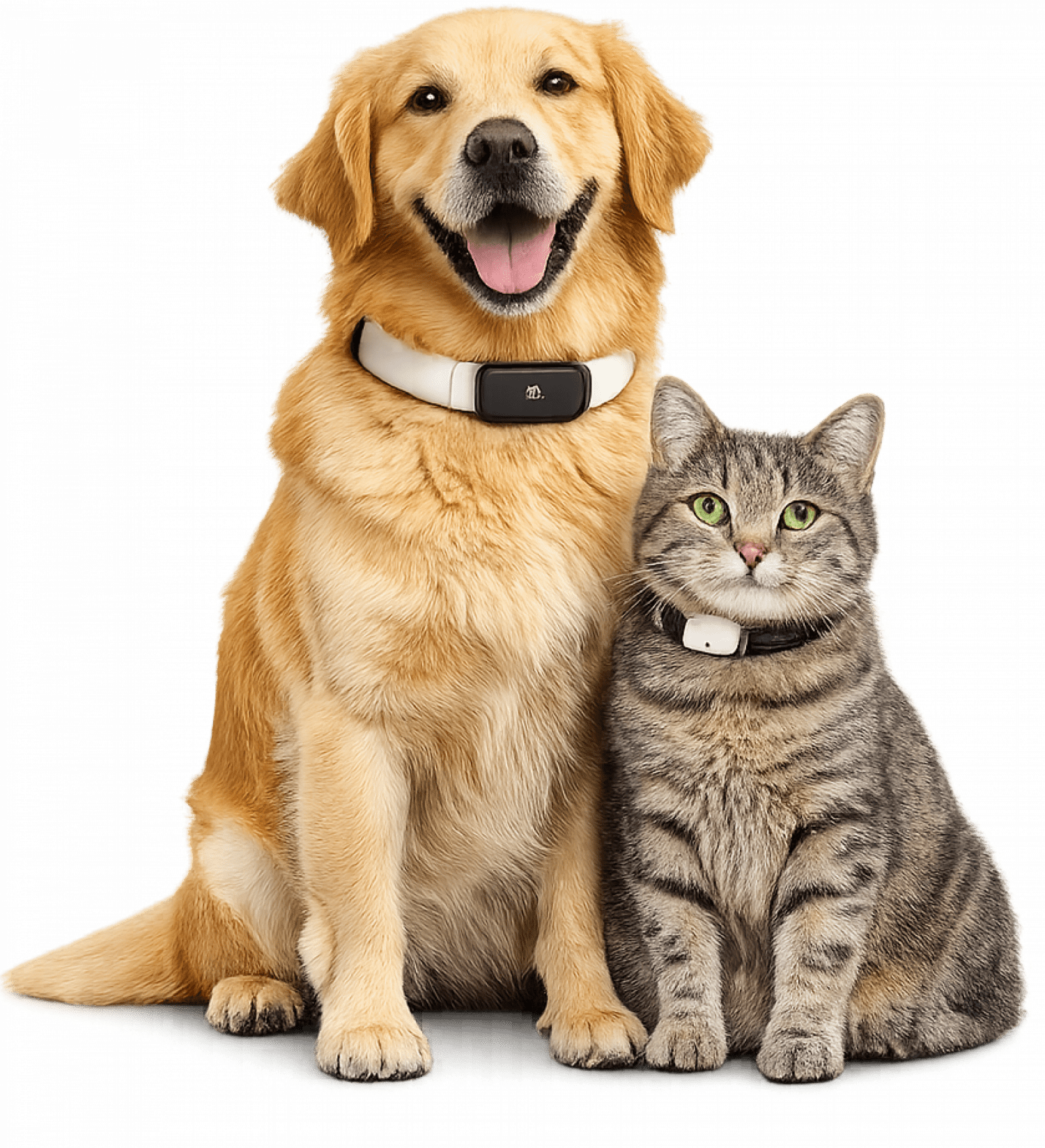
Keeping your dog or cat healthy requires more than just food, exercise, and affection. One of the most important responsibilities of pet ownership is ensuring regular veterinary checkups. These routine visits play a vital role in maintaining your pet’s overall health, preventing disease, and identifying potential issues before they become serious.
Preventive illness starts here
What Are Regular Vet Checkups?
Regular vet checkups, often referred to as wellness exams, are scheduled visits to a veterinarian to assess your pet’s general health. These exams typically include a physical evaluation, weight check, vaccination updates, and screenings for common health conditions. Even if your pet appears healthy, these visits are essential for monitoring changes that may not be visible to the untrained eye.
Early Detection of Health Issues
Many health problems in dogs and cats develop gradually and may not show obvious symptoms in the early stages. Conditions such as dental disease, heart issues, kidney problems, and infections can go unnoticed without professional evaluation. Routine checkups allow veterinarians to detect these issues early, which often leads to more effective treatment and better outcomes.
Early detection not only improves your pet’s quality of life but can also reduce the need for more complex and costly treatments later on.
Preventive Care and Vaccinations
Preventive care is one of the most important benefits of regular veterinary visits. Vaccinations protect pets from serious and potentially life-threatening diseases. During checkups, veterinarians ensure that your dog or cat is up to date on all necessary vaccines based on age, lifestyle, and risk factors.
In addition to vaccinations, preventive care includes protection against parasites such as fleas, ticks, and heartworms. These threats can significantly impact your pet’s health if not properly managed.
Maintaining Healthy Weight and Nutrition
Weight management is a critical part of your pet’s overall well-being. Obesity in pets can lead to a variety of health problems, including joint issues, diabetes, and heart disease. During routine checkups, veterinarians assess your pet’s weight and provide guidance on proper nutrition and feeding habits.
They can recommend dietary adjustments, portion control, and feeding schedules that align with your pet’s age, breed, and activity level.
For balance nutrition and healthy foods
Dental Health and Hygiene
Oral health is often overlooked, yet it plays a major role in your pet’s overall condition. Dental disease can lead to pain, tooth loss, and infections that may spread to other parts of the body. Regular veterinary visits include dental examinations to identify early signs of problems and recommend appropriate care.
Proper dental maintenance can significantly improve your pet’s comfort and long-term health.
Monitoring Aging and Life Stages
As pets grow older, their healthcare needs change. Senior dogs and cats are more prone to chronic conditions such as arthritis, kidney disease, and vision or hearing loss. Regular checkups become even more important as pets age, allowing veterinarians to monitor these changes and adjust care plans accordingly.
Routine visits may include additional diagnostic tests to ensure that age-related conditions are managed effectively.
Behavioral and Lifestyle Guidance
Veterinarians can also provide valuable insight into your pet’s behavior and daily habits. Changes in behavior, appetite, or energy levels can sometimes indicate underlying health issues. Regular checkups create an opportunity to discuss any concerns and receive professional guidance.
This support can help improve your pet’s overall well-being and strengthen the bond between you and your animal.
Conclusion
Regular vet checkups are a fundamental part of responsible pet care. They provide a proactive approach to maintaining your dog or cat’s health, focusing on prevention, early detection, and ongoing monitoring.
By scheduling consistent veterinary visits, you are taking an important step toward ensuring a longer, healthier, and more comfortable life for your pet.
The Importance of Regular Vet Checkups for Dogs and Cats
Keeping your dog or cat healthy requires more than just food, exercise, and affection. One of the most important responsibilities of pet ownership is ensuring regular veterinary checkups. These routine visits play a vital role in maintaining your pet’s overall health, preventing disease, and identifying potential issues before they become serious.
What Are Regular Vet Checkups?
Regular vet checkups, often referred to as wellness exams, are scheduled visits to a veterinarian to assess your pet’s general health. These exams typically include a physical evaluation, weight check, vaccination updates, and screenings for common health conditions. Even if your pet appears healthy, these visits are essential for monitoring changes that may not be visible to the untrained eye.
Early Detection of Health Issues
Many health problems in dogs and cats develop gradually and may not show obvious symptoms in the early stages. Conditions such as dental disease, heart issues, kidney problems, and infections can go unnoticed without professional evaluation. Routine checkups allow veterinarians to detect these issues early, which often leads to more effective treatment and better outcomes.
Early detection not only improves your pet’s quality of life but can also reduce the need for more complex and costly treatments later on.
Preventive Care and Vaccinations
Preventive care is one of the most important benefits of regular veterinary visits. Vaccinations protect pets from serious and potentially life-threatening diseases. During checkups, veterinarians ensure that your dog or cat is up to date on all necessary vaccines based on age, lifestyle, and risk factors.
In addition to vaccinations, preventive care includes protection against parasites such as fleas, ticks, and heartworms. These threats can significantly impact your pet’s health if not properly managed.
Maintaining Healthy Weight and Nutrition
Weight management is a critical part of your pet’s overall well-being. Obesity in pets can lead to a variety of health problems, including joint issues, diabetes, and heart disease. During routine checkups, veterinarians assess your pet’s weight and provide guidance on proper nutrition and feeding habits.
They can recommend dietary adjustments, portion control, and feeding schedules that align with your pet’s age, breed, and activity level.
Dental Health and Hygiene
Oral health is often overlooked, yet it plays a major role in your pet’s overall condition. Dental disease can lead to pain, tooth loss, and infections that may spread to other parts of the body. Regular veterinary visits include dental examinations to identify early signs of problems and recommend appropriate care.
Proper dental maintenance can significantly improve your pet’s comfort and long-term health.
Monitoring Aging and Life Stages
As pets grow older, their healthcare needs change. Senior dogs and cats are more prone to chronic conditions such as arthritis, kidney disease, and vision or hearing loss. Regular checkups become even more important as pets age, allowing veterinarians to monitor these changes and adjust care plans accordingly.
Routine visits may include additional diagnostic tests to ensure that age-related conditions are managed effectively.
Behavioral and Lifestyle Guidance
Veterinarians can also provide valuable insight into your pet’s behavior and daily habits. Changes in behavior, appetite, or energy levels can sometimes indicate underlying health issues. Regular checkups create an opportunity to discuss any concerns and receive professional guidance.
This support can help improve your pet’s overall well-being and strengthen the bond between you and your animal.
Conclusion
Regular vet checkups are a fundamental part of responsible pet care. They provide a proactive approach to maintaining your dog or cat’s health, focusing on prevention, early detection, and ongoing monitoring.
By scheduling consistent veterinary visits, you are taking an important step toward ensuring a longer, healthier, and more comfortable life for your pet.