
Introduction
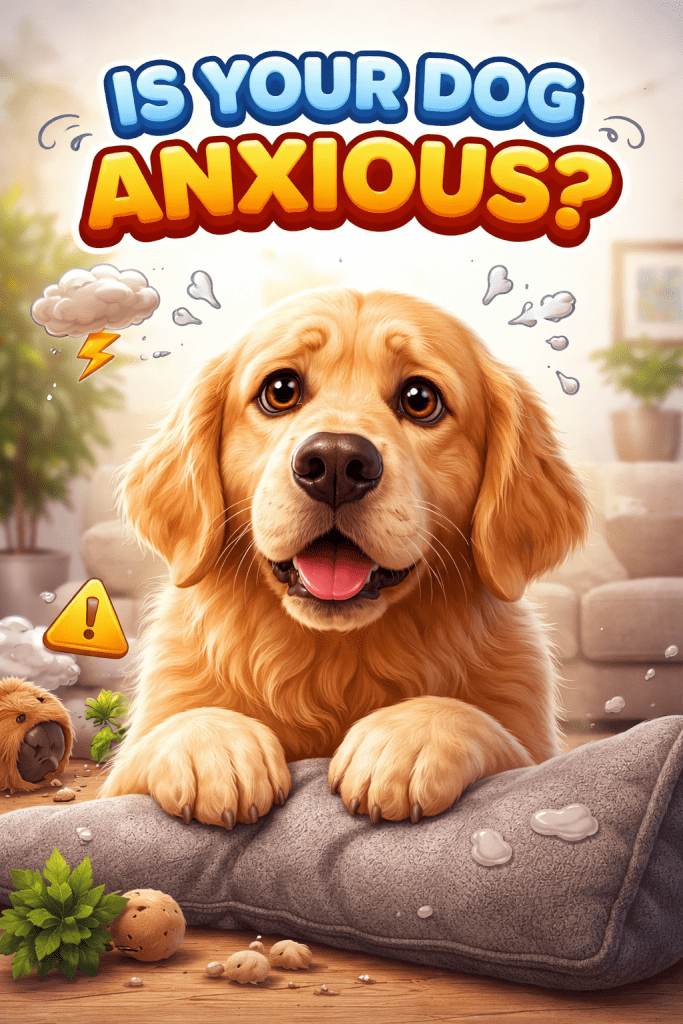
If your dog seems restless, destructive, or overly clingy, you may be dealing with dog anxiety. This is a common issue affecting dogs of all ages and breeds, and it can significantly impact both your pet’s well-being and your daily life.
Understanding why your dog is anxious is the first step toward helping them feel safe, calm, and secure. In this guide, we’ll break down the most common causes, warning signs, and proven solutions.
🧠 What Is Dog Anxiety?
Dog anxiety is a condition where a dog experiences fear, stress, or nervousness in certain situations. While occasional anxiety is normal, ongoing or intense anxiety can lead to behavioral and health problems.
⚠️ Common Signs of Anxiety in Dogs
Recognizing anxiety early can help prevent it from getting worse.
🐾 Behavioral Signs:
- Excessive barking or whining
- Destructive chewing or digging
- Pacing or restlessness
- Trying to escape (doors, crates)
- Clinginess or hiding
💧 Physical Signs:
- Panting (when not hot)
- Drooling
- Trembling
- Loss of appetite
- Accidents in the house
🔍 Why Is My Dog Anxious? (Top Causes)
1. Separation Anxiety
This is one of the most common forms of anxiety.
🐶 What happens:
Your dog becomes distressed when left alone.
Signs:
- Barking or howling when you leave
- Destructive behavior
- Scratching doors/windows
2. Lack of Exercise or Stimulation
Dogs need both physical and mental activity.
Without it, they can develop:
- Boredom
- Frustration
- Anxiety
👉 High-energy breeds are especially prone to this.
3. Changes in Environment
Dogs thrive on routine. Sudden changes can trigger anxiety.
Examples:
- Moving to a new home
- New pets or people
- Changes in schedule
4. Loud Noises (Noise Anxiety)
Thunderstorms, fireworks, and loud sounds can cause intense fear.
Signs:
- Hiding
- Shaking
- Trying to escape
5. Past Trauma or Poor Socialization
Dogs that:
- Were rescued
- Experienced neglect
- Missed early socialization
…are more likely to develop anxiety.
6. Aging or Health Issues
Older dogs may develop anxiety due to:
- Cognitive decline
- Pain or discomfort
🧸 How to Help an Anxious Dog
🏃 1. Increase Exercise
Daily walks and playtime help reduce stress and burn excess energy.
🧠 2. Provide Mental Stimulation
Use:
- Puzzle toys
- Interactive feeders
- Training exercises
👉 This keeps your dog engaged and distracted from anxiety triggers.
🏠 3. Create a Safe Space
Give your dog a quiet, comfortable area where they feel secure.
🧴 4. Use Calming Products
Helpful options include:
- Calming beds
- Anxiety wraps
- Pheromone diffusers
- Interactive toys
⏰ 5. Establish a Routine
Dogs feel safer when they know what to expect.
Stick to consistent times for:
- Feeding
- Walks
- Play
🎧 6. Reduce Noise Stress
- Play calming music
- Close windows during loud events
- Use white noise
💰 Best Products for Dog Anxiety (Quick Picks)
If you’re building your affiliate page, these are strong product angles:
- Interactive toys (mental stimulation)
- Calming beds
- Smart pet cameras (reduce separation anxiety)
- Automatic feeders (routine consistency)
🚨 When to See a Vet
Seek professional help if your dog:
- Shows severe destructive behavior
- Stops eating
- Injures themselves
- Has worsening symptoms
A vet or trainer can recommend advanced solutions.
🏁 Final Thoughts
Dog anxiety is more common than many pet owners realize—but the good news is that it’s manageable with the right approach.
By identifying the cause, improving your dog’s environment, and using supportive tools, you can help your dog feel calmer, happier, and more secure.